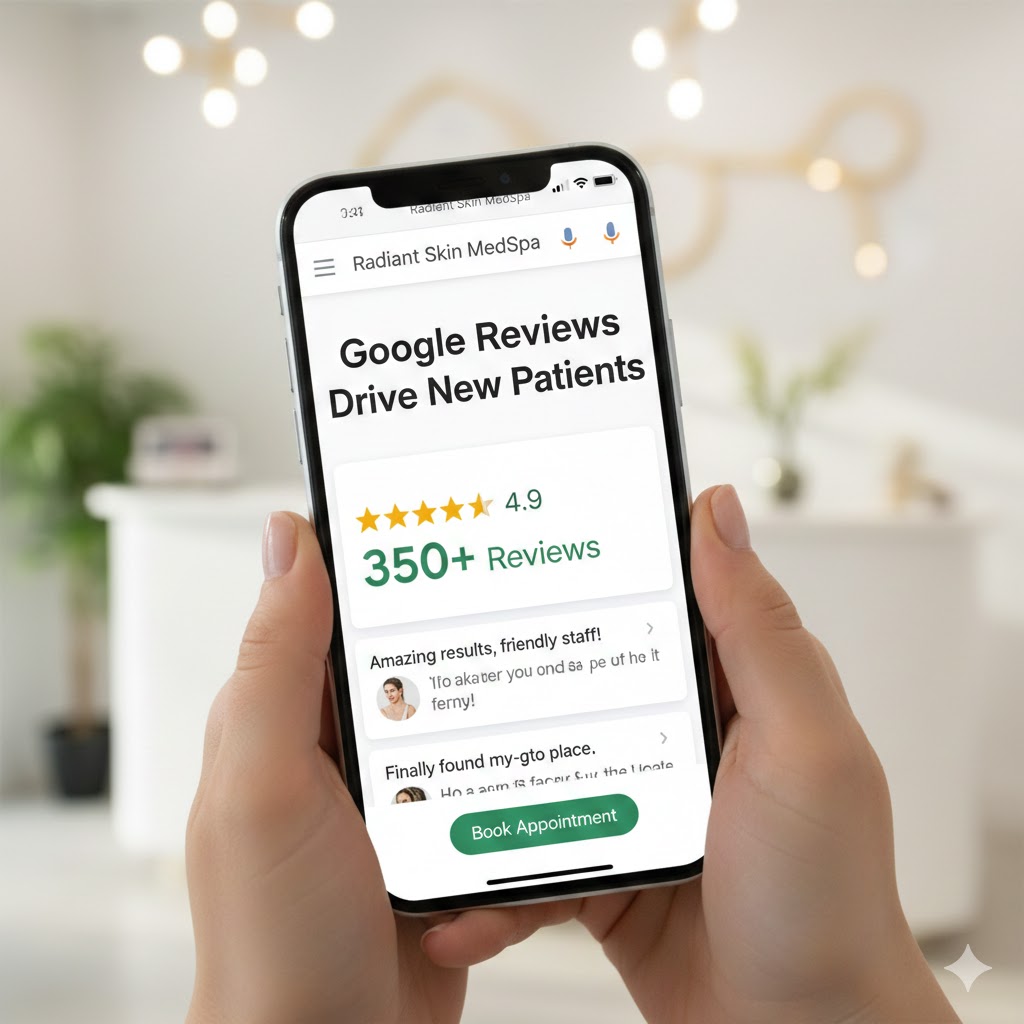
Receptioneer Call Center strategies are transforming how dermatology practices in Manhattan convert high-intent Google Ads traffic into booked patients. In a highly competitive market where advertising costs continue to rise, what happens after a patient clicks an ad or calls a clinic has become just as important as the marketing itself.
Many dermatology practices invest heavily in Google Ads for dermatologists, yet overlook a critical conversion factor: whether every incoming call is answered, handled efficiently, and converted into an appointment. When that step fails, even the most well-optimized campaign loses value instantly.
This is where the “Receptioneer” Effect becomes essential. It highlights how structured live answering systems bridge the gap between marketing spend and real patient acquisition, especially in high-cost environments like Manhattan.
Why Google Ads Alone Don’t Guarantee ROI Anymore
Google Ads for dermatologists have become increasingly competitive. Cost-per-click in urban medical markets continues to rise, meaning every lead generated carries more financial weight.
However, many practices still evaluate performance only at the click or impression level.
The real metric that matters is conversion from call to appointment.
Without live answering support, practices often experience:
- Missed after-hours inquiries
- Delayed response times
- Lost high-intent patients who call multiple providers
In other words, the marketing is working, but the intake system is not.
What the Receptioneer Call Center Actually Changes
A receptioneer call center is not just a support service. It functions as a conversion layer between marketing and patient acquisition.
Instead of routing calls to voicemail or overburdened front desk staff, trained reception teams:
- Answer calls in real time
- Qualify patient intent
- Schedule appointments directly
- Capture lead details consistently
This ensures that every paid click has a real opportunity to become revenue.
The ROI Impact of Live Answering in Medical Marketing
To understand the real value of combining marketing with live answering, consider how lead flow changes.
| Scenario | Without Live Answering | With Receptioneer Call Center |
|---|---|---|
| Ad Clicks | High traffic volume | Same traffic volume |
| Call Response | Missed or delayed | Immediate answer |
| Lead Capture Rate | Inconsistent | Structured & high |
| Appointment Conversion | Lower | Significantly higher |
| ROI from Google Ads | Leaky funnel | Optimized funnel |
Even small improvements in call handling can significantly increase the return on ad spend, especially in high-CPC markets like Manhattan dermatology.
The Hidden Problem in Most Dermatology Practices
Most practices assume marketing is the primary growth driver. In reality, the intake process often determines success more than the campaign itself.
A missed call is not just a missed conversation; it is:
- A lost treatment opportunity
- A wasted advertising cost
- A potential long-term patient relationship is gone
This disconnect is why many clinics see traffic but inconsistent bookings.
Why Manhattan Practices Are Adopting This Model First
Manhattan is one of the most competitive healthcare markets in the U.S., particularly for cosmetic and dermatology services. Patients often contact multiple providers before booking.
That means response time is critical.
Practices that implement live answering systems gain a measurable advantage because they:
- Respond faster than competitors
- Capture patients before they call elsewhere
- Reduce dependency on staff availability
In this environment, speed is not optional; it is revenue-critical.
The Real ROI of Combining Marketing + Live Call Handling
The strongest results come when both systems operate together:
- Google Ads drives high-intent traffic
- Receptioneer call handling converts that traffic into booked consultations
- Follow-up systems ensure long-term retention
This creates a closed-loop system where marketing spend is directly tied to measurable patient acquisition.
This is the core of improving the roi of combining medical marketing with live call answering in Manhattan, not by increasing ad budgets, but by reducing leakage in the conversion process.